Babylonian Zodiac Calendar
Babylonian Zodiac Calendar. This lunar calendar was remarkably regular. This chapter deals with the standard babylonian calendar that was adopted, in the late second millennium bce, as the official calendar of the empires that ruled the near east from then until late antiquity.
The babylonian calendar was a lunisolar calendar with years consisting of 12 lunar months, each beginning when a new crescent moon was first sighted low on the. The earliest written texts known from mesopotamia attest to knowledge of the cycles of the sun and moon in the.
The Chapter Shows How 4Qzodiac Calendar From Qumran Works In Relation To Data In The Babylonian Calendar.
The first calendar to use the cycle of meton.
The Text, Numbered As 4Q318 (4Q Means Qumran Cave 4, 318 Is The Number Of The Scroll), Indicates That This Zodiac Calendar Was Based Upon Late Babylonian Zodiac Calendrical Traditions.
Like all other calendars, the babylonian calendar had twelve lunar months (about 354 days) and a problem to make these fit the solar year (about 365 days).
They Realized The Need For Intercalary Months (Adhika Maasa) As Far Back As 1800 B.c.
Images References :
 Source: www.ancientpages.com
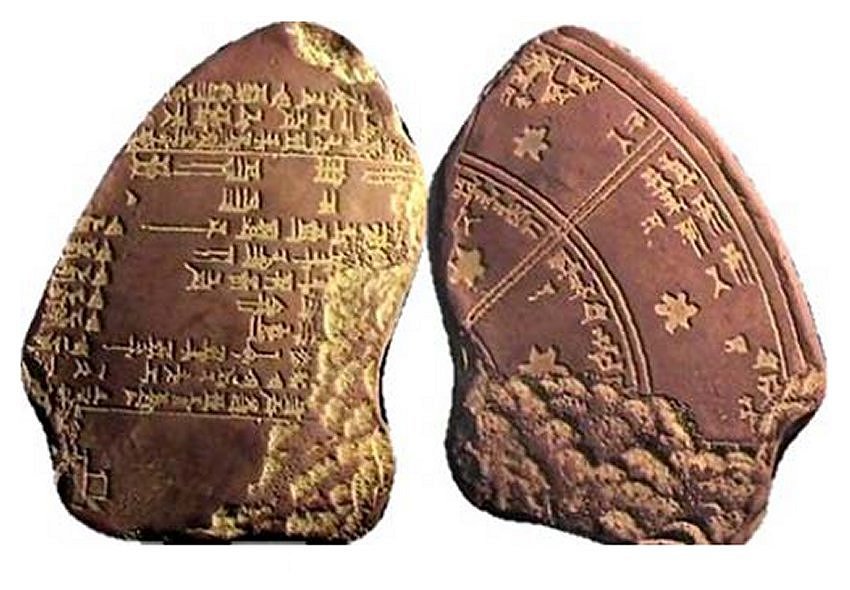
Babylonians And Sumerians Had Advanced Knowledge Of Astronomy Ancient, The babylonians also incorporated the concept of zodiac signs into their calendar. Each month was associated with a different zodiac sign and deity.
 Source: webspace.science.uu.nl
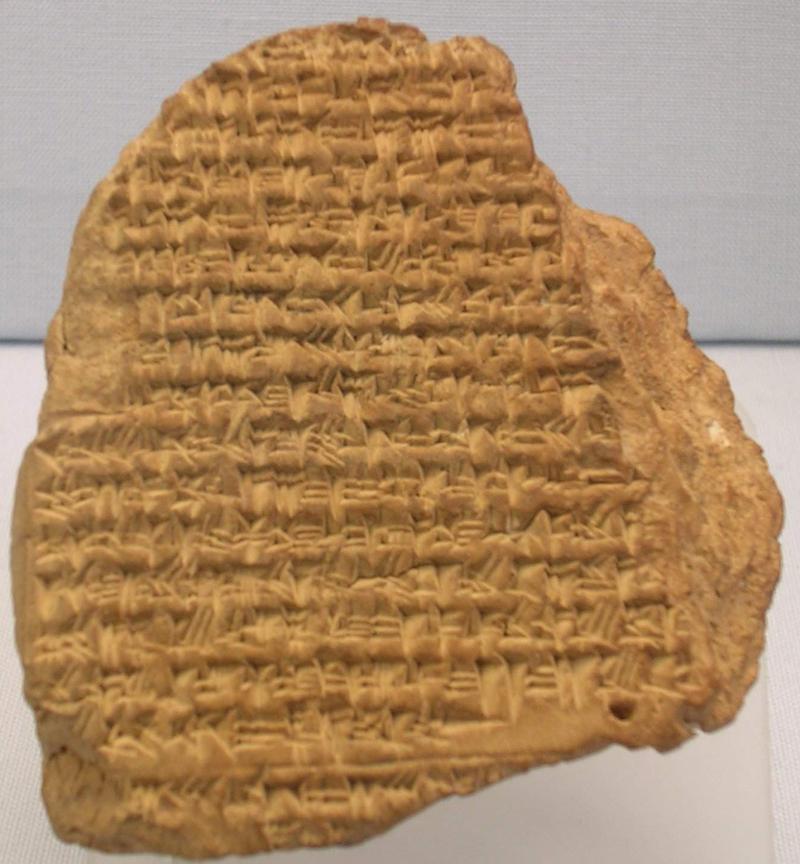
The Babylonian Calendar frame layout, The babylonians also incorporated the concept of zodiac signs into their calendar. The text, numbered as 4q318 (4q means qumran cave 4, 318 is the number of the scroll), indicates that this zodiac calendar was based upon late babylonian zodiac calendrical traditions.
 Source: webspace.science.uu.nl
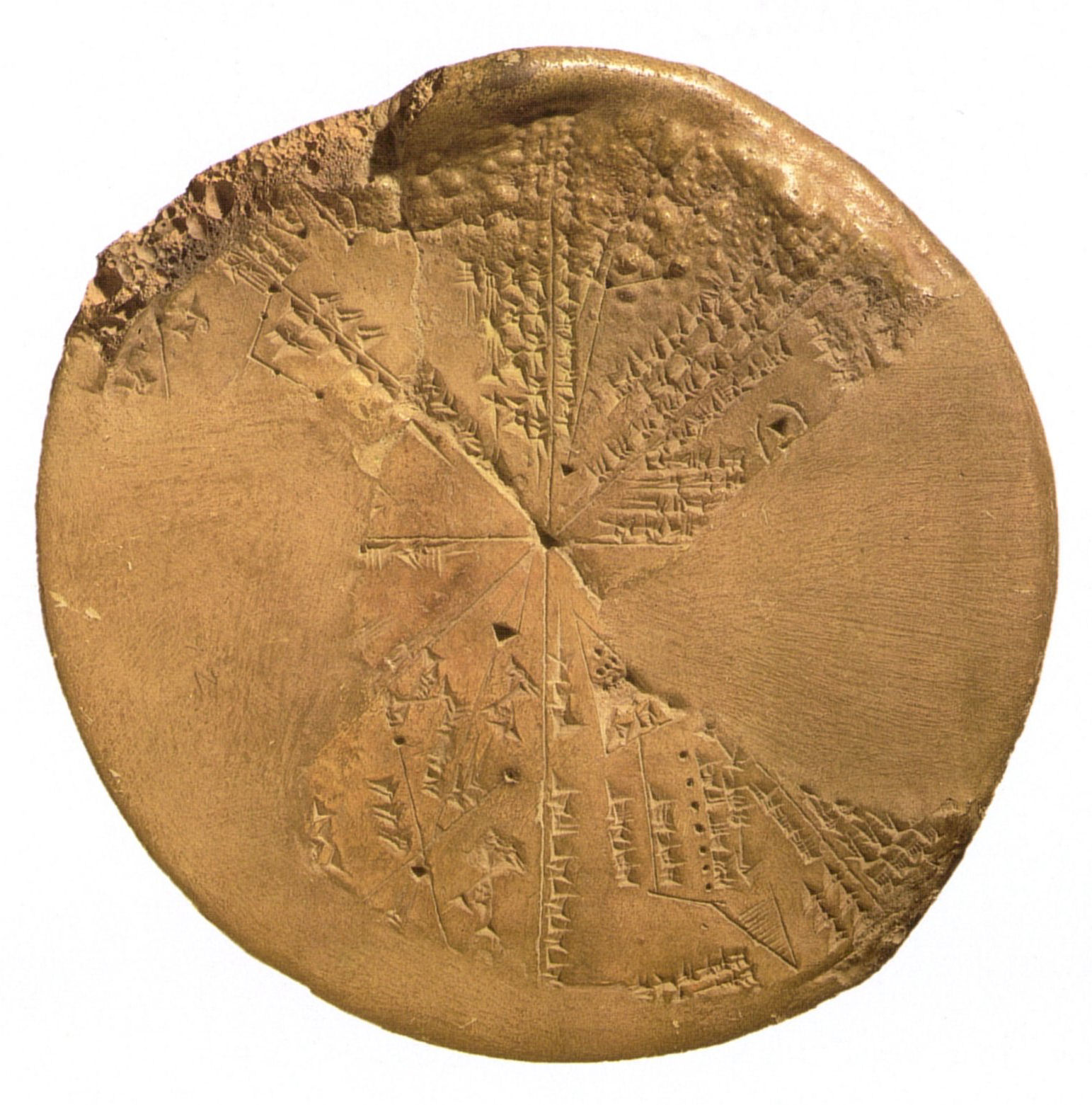
Bibliography of Babylonian Astronomy & Astrology, The ages of adam and his descendants in the book of genesis appear incredulous when compared to the average lifespan of man throughout history. Fragments of a babylonian star calendar.
 Source: www.pinterest.com
The Western/Babylonian Zodiac on Behance Infographic design, (babylonian empire) in babylon, astrology was the practice of priests and was one of two. They realized the need for intercalary months (adhika maasa) as far back as 1800 b.c.
 Source: willismonroe.com
M. Willis Monroe Babylonian Horoscopes, Each month was associated with a different zodiac sign and deity. The text, numbered as 4q318 (4q means qumran cave 4, 318 is the number of the scroll), indicates that this zodiac calendar was based upon late babylonian zodiac calendrical traditions.
 Source: www.pinterest.com
History of Constellation and Star Names Calendario, Mesopotamia, Historia, Around 2000 bc, the babylonians created the system of the zodiac to describe the positions of the planets. They realized the need for intercalary months (adhika maasa) as far back as 1800 b.c.
 Source: edgeofspace.in
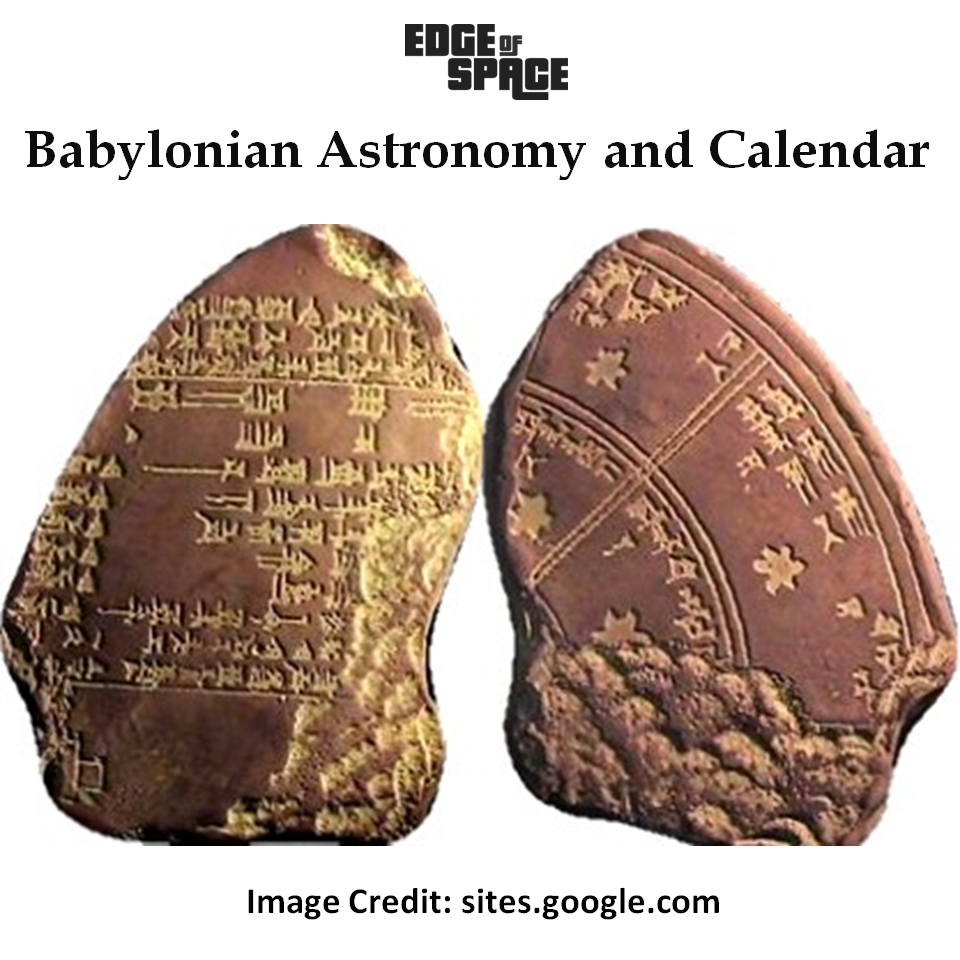
Babylonian Astronomy and Calendar Edge Of Space, In other areas of the texts it lists the 18th of the month to be shamash’s “bright day.”[10] in babylonian calendar structure the month was based on the phases of the moon. Published march 25, 2021 | by shirleytwofeathers.
 Source: cte.univ-setif2.dz
Mesopotamia, He finds out that each of the considered texts has a specific calendar time in which the action of the epic takes place epics are often parts of festivals: As indicated by a record of the great babylonian king and lawgiver hammurabi.
 Source: allevents.in
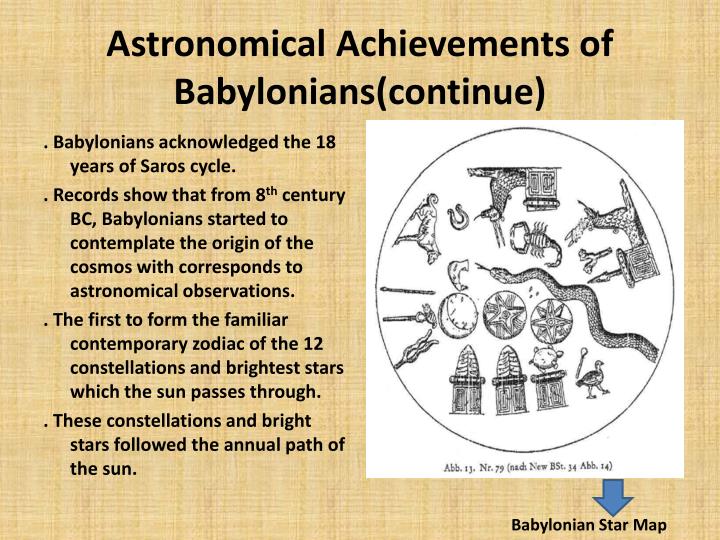
Babylonian Star Lore and the Zodiac, Find Tickets, June 18 2020, (babylonian empire) in babylon, astrology was the practice of priests and was one of two. The earliest written texts known from mesopotamia attest to knowledge of the cycles of the sun and moon in the.
 Source: www.slideserve.com
PPT Ancient Babylonian Science PowerPoint Presentation ID1750802, Around 3000 bc, babylonians astronomers made methodical astronomical observations of the heavens. The babylonian calendar was a lunisolar calendar with years consisting of 12 lunar months, each beginning when a new crescent moon was first sighted low on the.
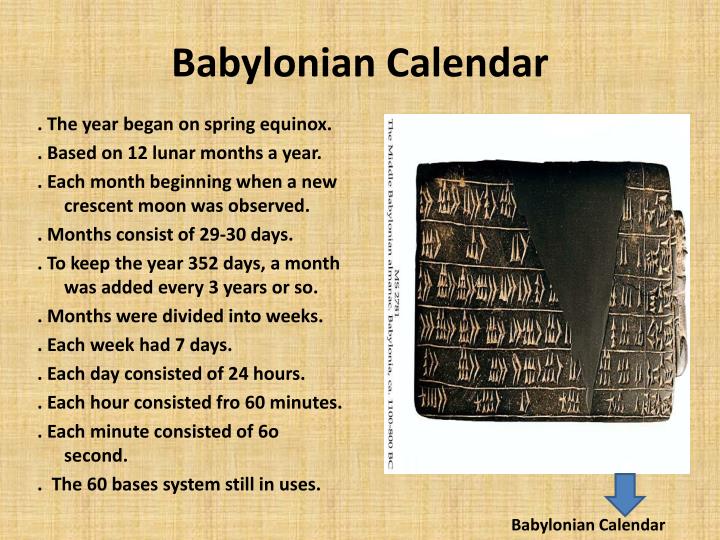
Fragments Of A Babylonian Star Calendar.
The text, numbered as 4q318 (4q means qumran cave 4, 318 is the number of the scroll), indicates that this zodiac calendar was based upon late babylonian zodiac calendrical traditions.
Although This Calendar System Was Not Accurate In Terms Of The Solar Year, It Had A Significant Impact On Astrological Predictions And Cultural Implications.
This lunar calendar was remarkably regular.